Once you have reached the winter months, it’s time to prune your trees. This is the best time to do so because they are going dormant. By pruning during November through January, you will be able to prune without compromising the health of your tree. There are other techniques that you need to know if you would like to prune trees on your own. You can also contact a professional arborist to do this for you. Here are a few of the best strategies that people can use to keep their trees healthy by constantly pruning them on an annual basis.
Why Do You Need To Prune Your Trees?
One of the main reasons that people prune trees is that the tree is getting too large. This is a common problem with trees that are decades old. If they are not trimmed on a regular basis, they can get out of control. It’s important to make sure that they are not too high, and that they do not go too wide, especially if you are adjacent to another person’s property.
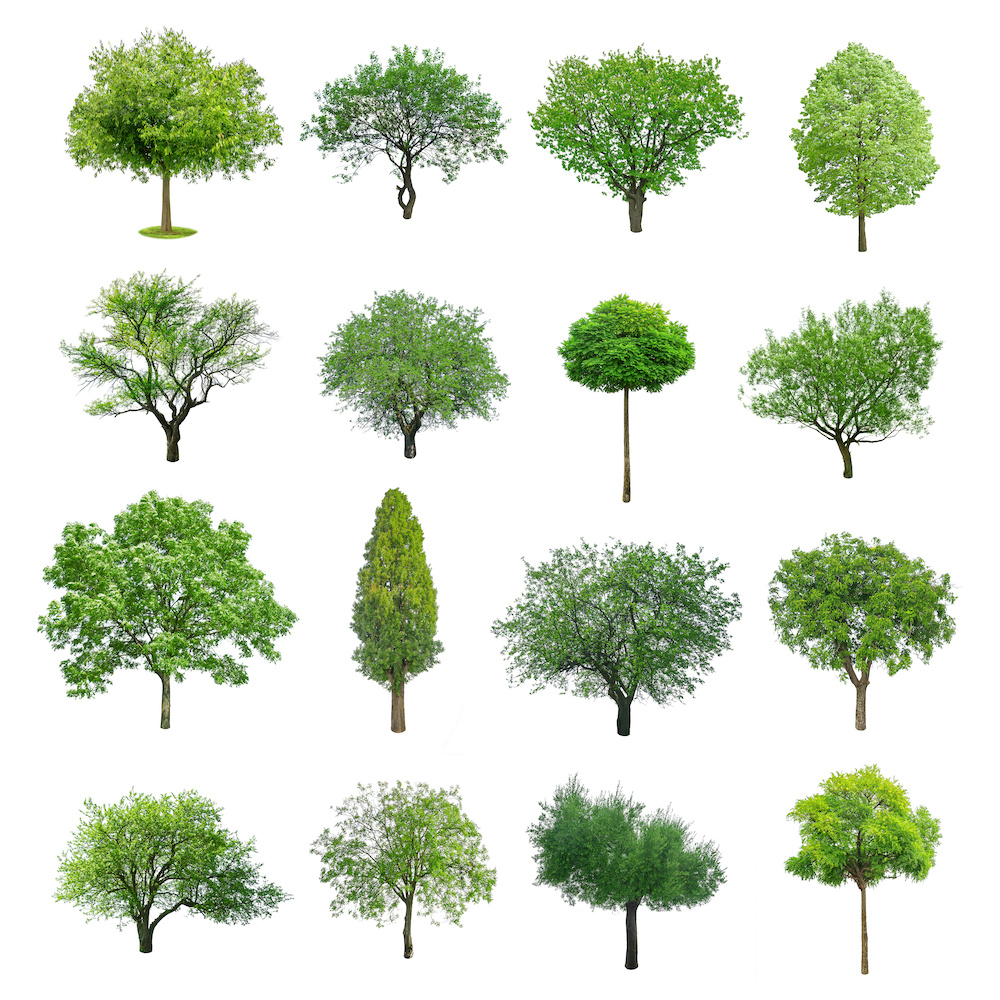
There are health reasons for pruning your trees that you should also consider. For example, the larger a tree becomes, especially with fruit trees, more stress will be added to the trees as they try to deliver nutrients to all of the fruit. Additionally, there are reasons to trim your tree that have to do with disease. By removing the branches that are currently infected, you can prevent this infection from spreading into the main tree itself.
What Are The Best Tree Pruning Techniques?
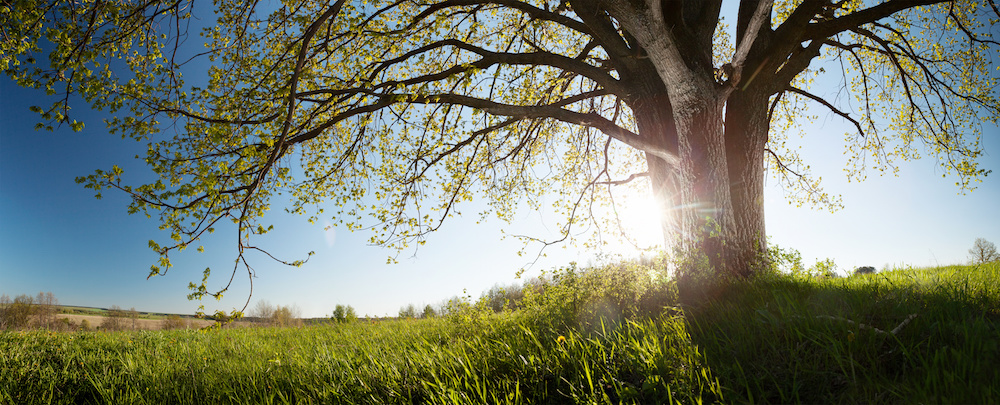
First of all, if you are going to do a substantial pruning job, you must always follow a top down strategy. This means you need to begin at the top of the tree, trimming the branches that need to be cut back, and then work your way down. While you are at the crown of the tree, you must never remove more than one-quarter of the crown or it could compromise the health of the tree. As you go along, make sure you are opening up areas where new branches can grow by thinning out dense areas that can also help the tree look better. You should not worry about the cuts that you are making if you are doing this during the winter. Bugs that would otherwise be able to infiltrate the tree or diseases that could get inside, will have less of a chance of adversely affecting the tree at this time of the year. Do you have a fallen tree over house need tree removal?
By following these suggestions on how to prune your trees, you can keep all of them looking healthy. It is so important to do this on an annual basis, and if you are not able to climb up into your tree on your own, you can find a tree trimming company that can help you out. They will have the equipment that is necessary to make the proper cuts and will have razor-sharp tools that will do the least damage to the branches. Start looking today for companies that will be able to help you prune your trees back if you would prefer not doing this on your own.


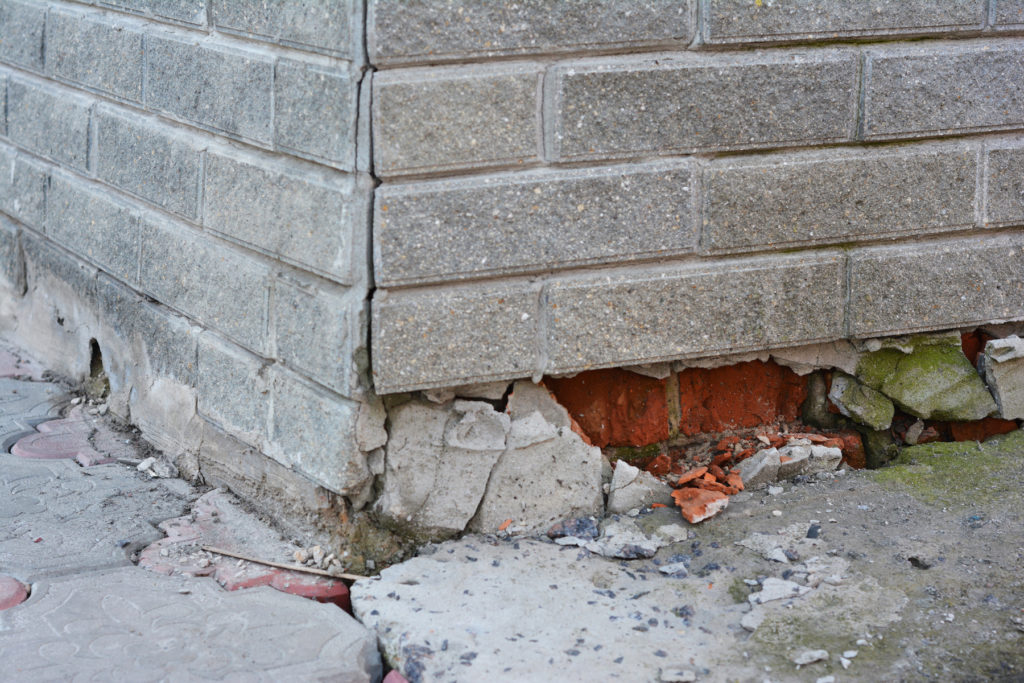 Cracks and other issues in the